Businesses learn how to build trust with a customer by prioritizing transparency, maintaining consistent product quality, and delivering exceptional customer service that solves problems efficiently. Fostering authentic brand values and showcasing social proof through customer reviews creates the reliability necessary for long-term loyalty; these actions demonstrate that a company truly cares about its audience.
Many small businesses invest heavily in loyalty apps and discount codes, yet they still watch customers defect to competitors for a marginally lower price. This loyalty paradox proves that financial incentives are a shallow substitute for genuine confidence. In a market saturated with generic automation, trust has become the only sustainable competitive advantage for the localized business; it is the difference between a one-time transaction and a lifetime relationship that survives market fluctuations. This guide moves beyond the surface level of points systems to explore the tactical architecture of customer confidence. You will learn to master the 5 Cs of customer experience, implement the 10, 5, 3 Rule in your daily operations, and shift your brand from a transactional utility to a vital relational presence within your community.
The Loyalty Paradox: Why Rewards Programs Aren't Enough for Small Businesses
Many small business owners mistake a digital rewards program for a genuine loyalty strategy. This creates a loyalty paradox where customers appear loyal only because of a recurring discount. This is transactional loyalty, and it is inherently fragile. If a big-box competitor offers a larger coupon or a more convenient app, the customer leaves because their commitment was tied to the price, not the person.
For an entrepreneur in Middletown, competing on discounts is a race to the bottom that erodes profit margins. The real opportunity lies in emotional loyalty. This is built on relational capital, which is the cumulative trust earned through every touchpoint. Understanding how to build trust with a customer requires moving beyond software-based rewards and focusing on the human elements of the service journey.
At GFDG, our comprehensive customer experience consulting focuses on identifying where these relational gaps exist. Instead of suggesting another punch card, we provide actionable strategies for growth that turn every interaction into a deposit of trust. By mastering branding fundamentals, a small business can establish a presence that feels more like a community staple and less like a generic transaction. This foundation allows you to compete on value and reliability rather than just pennies and points.
Mastering the 5 Cs of Customer Experience
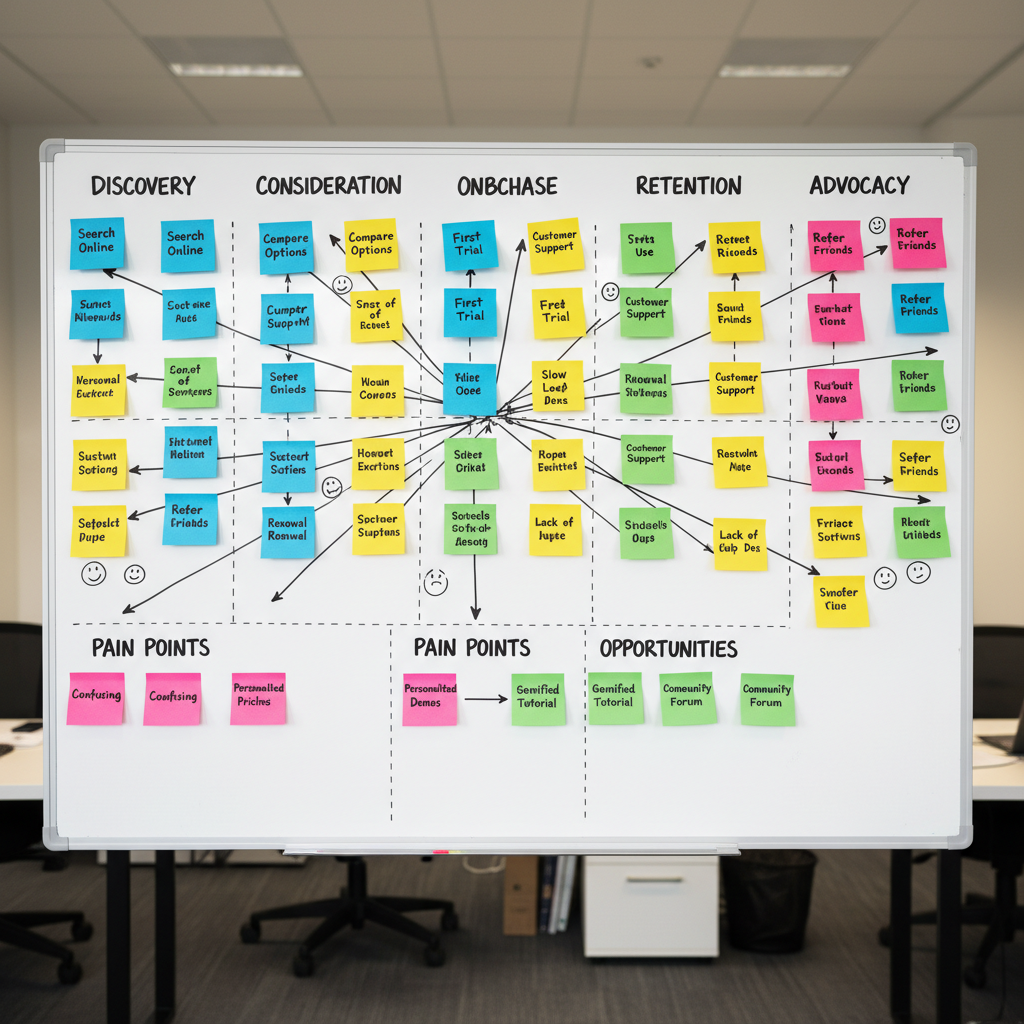
To bridge the gap between a generic transaction and a lasting relationship, you must implement a structured framework for every interaction. While many resources offer vague advice on being nice, mastering how to build trust with a customer requires focusing on the 5 Cs of customer experience. For the solo entrepreneur or small team, these pillars serve as a checklist to ensure your brand remains reliable.
Character: This is your authenticity. In a tight knit community like Middletown, customers can sense a lack of sincerity immediately. Character means being the same person behind the scenes as you are in your marketing materials. It is the foundation of your relational capital.
Capacity: Trust is often lost when an entrepreneur overpromises. Capacity is the demonstrable ability to deliver what you say you will. If you promise a 48 hour turnaround, meeting that deadline every time builds more trust than any discount code ever could. It is about knowing your limits and excelling within them.
Confidence: This is the feeling of security a customer has when engaging with your business. It is often established through branding fundamentals, such as a professional visual identity and a clean, organized workspace. When you look like you know what you are doing, the customer feels safe in their investment.
Consistency: This is the most difficult C for many small businesses. It requires delivering the same high quality experience on a busy Friday afternoon as you do on a quiet Tuesday morning. GFDG uses comprehensive customer experience consulting to help owners build systems that ensure this repeatability across every touchpoint.
Communication: Do not wait for the customer to ask for an update. Proactive communication, such as a quick text when a project starts or an email when a delay occurs, eliminates the anxiety often associated with service providers.
By auditing your business against these five areas, you can identify actionable strategies for growth that rely on human connection rather than complex software. This mental model ensures that trust is not a happy accident, but a deliberate design of your daily operations.
Implementing the 10, 5, 3 Rule in Your Daily Operations
Transitioning from the internal audit of the 5 Cs, you need a physical protocol to execute these values on the floor. The 10/5/3 rule is a hospitality standard that GFDG recommends to translate abstract intentions into actionable strategies for growth. This rule dictates how you should respond to a customer based on their physical proximity to you or your staff.
At ten feet, the interaction begins with non-verbal recognition. Make eye contact and offer a sincere smile. This simple gesture signals to the customer that they have been noticed and are welcome in your space. At five feet, bridge the gap with a verbal greeting. This should be a proactive acknowledgement of their presence rather than a canned, robotic phrase. Finally, at three feet, engage in a meaningful interaction. This is the moment to ask a specific question or offer a personalized comment that shows you are fully attentive to their individual needs.
This sequence is a powerful way to demonstrate branding fundamentals through behavior. Large corporate retailers often fail here because their staff is focused on task completion rather than human connection. When a local business owner follows this rule, it creates a sense of being seen that an automated kiosk cannot replicate. In a Middletown retail shop, this might mean stepping out from behind a display. In a professional service office, it involves standing to greet a client as they enter the lobby rather than staying behind a computer screen. Mastering these zones of proximity is a core component of how to build trust with a customer through immediate, physical reliability. GFDG incorporates these tactical behaviors into our comprehensive customer experience consulting to ensure your daily operations actually reflect your brand promise.
The Small Business Advantage: Why Proximity Equals Trust
In Middletown, proximity is a tangible competitive asset. When a customer walks into a local storefront or hires a nearby service provider, they aren't just buying a solution; they are engaging with an owner who has skin in the game. This local proximity creates a psychological safety net that national chains cannot replicate. While a massive corporation might hide behind a black hole of automated customer service lines and offshore support tickets, a Middletown entrepreneur is reachable and accountable.
Mastering how to build trust with a customer starts with realizing that your direct involvement in the customer journey is a primary differentiator. GFDG’s comprehensive customer experience consulting highlights this advantage by identifying specific touchpoints where the owner’s personal involvement can alleviate client anxiety. When you are the one responding to an inquiry or overseeing a final delivery, you signal that the customer’s satisfaction is personal to you. We help you translate this accessibility into actionable strategies for growth by systematizing the way you show up for your clients. This hands on approach reinforces branding fundamentals by proving that your business is a stable, reliable fixture of the local economy. In an era of digital disconnect, being a visible and vocal advocate for your customers is your greatest strength.
Tactical Strategies for Building Customer Confidence
This proximity provides the foundation, but maintaining it requires specific behaviors that prioritize the customer’s peace of mind over short term sales. At GFDG, our comprehensive customer experience consulting begins with a gap analysis to identify exactly where your current process leaves room for doubt. To move beyond generic service, implement these three tactical strategies for building confidence.
Radical Transparency Avoid the temptation to provide overly optimistic timelines to win a contract. True confidence is built when you are honest about bottlenecks or supply chain delays before the customer has to ask. If a project will realistically take four weeks instead of two, stating that upfront demonstrates character; it tells the customer that you value their planning more than a quick signature. Transparency also extends to admitting mistakes immediately. A proactive phone call to explain a glitch is far more effective than an apologetic email sent after the customer discovers the error themselves.
Social Proof without the Hype Generic testimonials often feel manufactured or sterile. Instead, share genuine community stories that highlight how your business solved a specific problem for a neighbor. In a town like Middletown, word of mouth is the primary currency. Highlighting a local partnership or a behind the scenes look at a complex client project provides actionable strategies for growth because it allows potential customers to see themselves in your current success. This approach grounds your brand in reality rather than marketing fluff.
The Art of Service Recovery Service recovery is the process of fixing a mistake so effectively that the customer’s trust in you actually increases beyond its original level. When a ball is dropped, do not just offer a generic discount. Diagnose the root cause, communicate the fix, and follow up a week later to ensure the solution held. This level of care proves that your branding fundamentals are a commitment to results rather than just a logo. By utilizing GFDG's gap analysis to identify where these friction points occur, you can prepare your team to turn potential failures into moments of extreme loyalty. Understanding how to build trust with a customer often means being at your best when things go wrong.
Moving from Transactional Branding to Relational Presence

Building a loyal following requires a shift from transactional branding, where the logo is just a sticker on a bag, to a relational presence where every visual and verbal cue reinforces a promise. At GFDG, we teach that a brand is not merely a design choice; it is a promise kept. When a Middletown entrepreneur maintains a clean, professional brand presence, they are signaling stability to their community.
Visual consistency plays a silent but critical role in how to build trust with a customer. If your social media looks one way, your invoices look another, and your storefront feels disconnected from both, you create cognitive dissonance. This friction suggests a lack of attention to detail that customers fear will carry over into the service they receive. By mastering branding fundamentals, you eliminate this doubt. Professionalism is not about having the most expensive marketing budget; it is about the discipline of being consistent.
Our training sessions at GFDG provide actionable strategies for growth by showing you how to align your physical and digital presence with the high level of service you provide. When a customer sees a cohesive brand, they perceive a business that is organized, reliable, and here to stay. This perceived stability is a prerequisite for the emotional loyalty discussed throughout this article. By integrating these branding fundamentals into your daily operations, you transform your business from a mere service provider into a trusted local institution. This alignment ensures that every time a customer interacts with your brand, they are reminded that your promise remains unbroken.