

Effective branding for small business acts as a strategic framework that simplifies complex decisions by aligning every business choice with a predefined identity and mission. By establishing clear values and visual standards, entrepreneurs can ensure consistent customer experiences; this allows them to make faster, more confident choices for their company's long term growth.
Many small business owners feel like they are constantly reinventing the wheel with every social media post or client interaction. Without a defined identity, every minor choice becomes an exhausting debate, leading to inconsistent messaging that confuses your audience and drains your internal resources. A strategic brand is not an aesthetic luxury; it is a functional framework that simplifies your operations. In this guide, we move beyond simple logo design to explore how a clear identity acts as a filter for your daily business decisions. You will learn the three essential pillars of a practical strategy, the actual costs involved, and how consistency transforms a solo venture into a trusted, scalable asset. By the end, you will understand why a clear brand is the most powerful tool in your decision making arsenal.
Beyond the Logo: What Branding for Small Business Actually Means

Many entrepreneurs mistakenly believe that branding begins and ends with a graphic designer. While a well crafted logo and a professional color palette are important visual cues, they are merely the surface of a much deeper structure. True branding for small business is not a cosmetic layer; it is the soul of the organization. It represents the psychological and emotional space your business occupies in the mind of your customer.
At GroundFloor Development Group, we define a brand as the precise intersection of three elements: your core values, the promise you make to your market, and the actual experience you deliver. If any of these three pillars are misaligned, the brand weakens. For a solo owner in Middletown, branding is effectively the reputation you build when you are not in the room to speak for yourself. It is the gut feeling a client has when they see your name in their inbox or walk through your front door.
A logo functions as a symbol of the brand, much like a wedding ring symbolizes a marriage. The ring is a significant marker, but it is not the relationship itself. Similarly, your visual identity marks the presence of your brand, but your daily operations and service standards constitute the brand's reality. This is why our customer experience consulting focuses on closing the gap between what a business says it is and what the customer actually feels. When your values and your actions align perfectly, you create a brand identity that is both authentic and resilient.
The Brand as a Filter: How Identity Simplifies Daily Business Decisions

Once the soul of the business is defined, branding for small business transforms from an abstract concept into a functional management tool. For solo owners, the primary challenge is often decision fatigue. Every day presents choices regarding tech stacks, marketing platforms, and client interactions. A well-defined brand identity acts as a strategic filter, allowing you to bypass choices that do not serve your core mission.
When faced with a new opportunity, the question changes from "is this a good idea?" to "does this align with my brand values?" Consider two different service models. A business built on the pillar of Urgent Efficiency would naturally invest in automated scheduling software and rapid-response templates. However, a business built on White-Glove Intimacy would reject those same tools because they create a barrier to the personalized, high-touch experience they promised. In this context, brand consistency for solo owners becomes a matter of operational discipline rather than just aesthetics.
This filter applies to external partnerships as well. If a local Middletown organization proposes a joint marketing event, you can evaluate the proposal against your verbal and experiential identity. If the event tone is loud and aggressive while your brand is understated and professional, the decision to decline becomes simple and objective. By using your brand as a framework, you eliminate the emotional weight of saying no to opportunities that look good on paper but feel wrong for your business. This clarity is essential for long-term growth; it ensures that every dollar spent and every hour worked reinforces the specific reputation you are trying to build. Through professional customer experience consulting, we help owners identify these filters to streamline their operations and stop chasing every trend that passes through their inbox.
Building Trust through Consistency: The Solo Owner Advantage
A common question among entrepreneurs is how to brand a small business when resources are limited. The answer lies in trust rather than a massive advertising budget. For a solo owner, the greatest challenge is often overcoming the perceived legitimacy gap between a local operation and a national corporation. Professionalism is not signaled by the size of the staff, but by the unwavering consistency of the presentation. When your digital presence matches your physical delivery, you eliminate the cognitive dissonance that often prevents a lead from becoming a client.
Consistency must extend across every touchpoint. This includes the tone of your initial social media outreach, the formatting of your invoices, and the signature in your emails. When these elements align, they function as a silent guarantee of quality. If a client receives a polished proposal but then receives a disorganized, poorly formatted invoice, the brand promise breaks. For a local Middletown professional, brand consistency for solo owners ensures that the transition from a digital inquiry to a face to face meeting at a local coffee shop feels like one continuous, reliable experience.
Establishing this reliability is the essential precursor to building repeat revenue. Trust is fragile, especially for new ventures, and it is earned through the repetition of a predictable experience. Through strategic customer experience consulting, we help owners audit these micro-moments to ensure that every interaction reinforces the brand rather than detracting from it. By refining these details, you project the competence of a much larger organization while maintaining the personal connection that defines branding for small business.
The Three Pillars of an Effective Small Business Branding Strategy
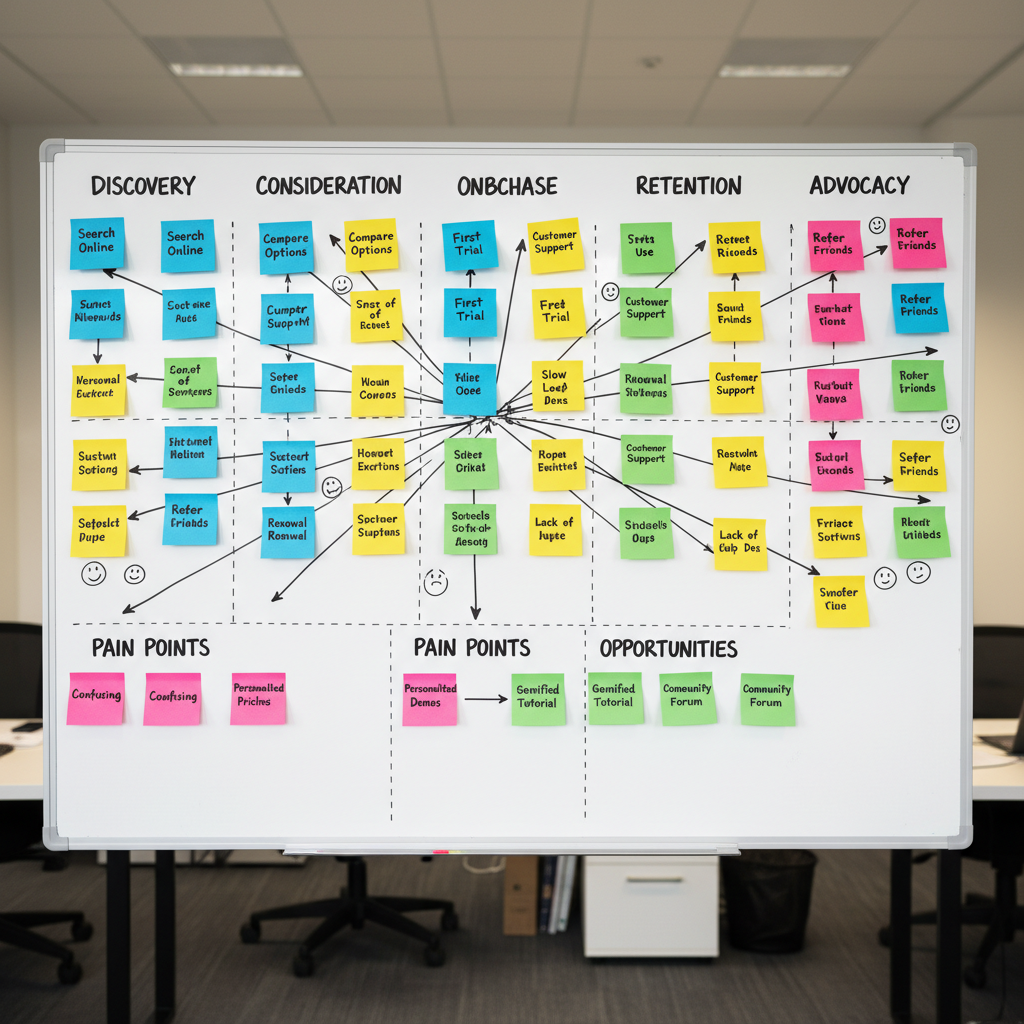
To move beyond abstract ideas, a robust small business branding strategy must be categorized into three distinct, interconnected pillars. These pillars ensure that your reputation is built on a foundation of reality rather than just marketing slogans. By organizing your efforts this way, you can move from accidental branding to intentional identity design.
The first pillar is your verbal identity. This encompasses your mission statement, your core messaging, and the specific tone of voice you use in every communication. Your verbal identity dictates if you address clients by their first names or with formal titles, and if your written content is instructional or conversational. It is the specific vocabulary you use to describe your work. When this language remains consistent, it reinforces the personality of the business and makes your messaging more recognizable in a crowded market.
The second pillar is your visual identity. This includes your logo, color palette, and typography. While these are the most recognizable elements, their effectiveness depends entirely on their consistent application. Visuals serve as a mental shorthand for your customers; when they see your specific brand colors or your distinct font, they should immediately recall the sense of trust established in your previous interactions.
The third and most critical pillar is your experiential identity. This is the customer journey in action. It covers how a phone call is answered, how long it takes to receive a proposal, and the ease of the final transaction. A brand breaks when there is a significant delta between these pillars. If your visual identity promises a high end, premium service but your experiential identity involves clunky software and slow response times, you have created a service gap.
At GroundFloor Development Group, our customer experience consulting focuses heavily on gap analysis to identify these specific friction points. By auditing where the visual promise fails to meet the operational reality, we help entrepreneurs align their brand consistency for solo owners with their actual service delivery. Ensuring these three pillars are in sync is what transforms a simple logo into a durable small business branding strategy that survives the pressures of daily operations.
How Much Does Branding Cost for a Small Business?
Determining the investment for branding for small business depends on the depth of the strategy required. On one end of the spectrum, a solo owner might spend a few hundred dollars on DIY design tools and basic templates. While these provide immediate visual assets, they often lack the strategic backbone needed to drive long-term growth. A professional engagement typically ranges from $2,500 for basic identity development to $10,000 or more for comprehensive customer journey integration.
The most significant expense, however, is often overlooked. We call this invisible branding. This is the accumulated cost of a vague identity, which manifests as wasted marketing dollars spent on the wrong audience and lost sales due to customer confusion. When your message is unclear, you pay a hidden tax on every lead you generate because your brand is not doing the heavy lifting of building trust for you.
Investing in customer experience consulting early serves as a safeguard against these functional inefficiencies. By refining your brand consistency for solo owners from the start, you ensure that every dollar invested in growth is supported by a clear, trustworthy reputation. This strategic approach transforms branding from a discretionary expense into a foundational asset that facilitates building repeat revenue through clarity and precision.
Winning Repeat Business: The Link Between Brand and Customer Experience
Transitioning from the financial investment of branding to its long term yield, it becomes clear that a strategic approach to branding for small business serves as the catalyst for the first sale, but the quality of the customer experience is what secures the second. While a clear identity attracts attention by offering a specific promise, the operational reality of the business must fulfill that promise to transform a one time transaction into a long term relationship. When the brand and the experience are perfectly aligned, the business begins building repeat revenue without needing to constantly re-acquire the same customers through expensive advertising.
Emotional connection is the bridge between a functional service and true brand loyalty. For an entrepreneur in Middletown, this connection is built when a client feels that the business understands their specific needs and values. A brand is not just a service provider; it is an entity that the customer chooses to associate with. If your identity emphasizes community and local roots, every interaction should reinforce that sense of belonging. If the experience feels cold or disconnected, the emotional bond breaks.
Maintaining this connection requires a disciplined look at the entire service lifecycle. Through customer experience consulting, we utilize journey mapping to visualize every point of contact a client has with your brand. This process allows solo owners to identify where the brand promise might be faltering. By ensuring brand consistency for solo owners at every stage, from the initial inquiry to the final follow up, you create a seamless narrative. This reliability is what makes customers feel like they are part of something larger than a simple purchase, turning them into vocal advocates for your brand.
Ultimately, a well defined brand identity is the most effective filter for your business decisions. It aligns your vision with your daily operations, ensuring that every move you make supports your long term goals. While finding this clarity takes focus, you do not have to navigate the process alone. If you want expert help building a brand that drives growth, feel free to read more about our approach at GFDG. We are ready to help you create a foundation that simplifies your path to success.