

Small businesses can effectively collect and implement customer feedback for small business by using simple tools like email surveys, questionnaires, and direct conversations to identify service improvements. By asking targeted questions and acting on the responses quickly, owners can turn low cost insights into actionable growth strategies without the need for expensive software.
Many small business owners feel trapped in a cycle of guesswork, watching competitors scale while they wonder why certain customers never return. You likely recognize that data is the key to growth, yet the prospect of implementing enterprise level software often feels like an unnecessary drain on your limited resources. The truth is that your size is actually your greatest advantage; you do not need a bloated tech stack to capture the insights that drive meaningful change. In this guide, we will explore how to identify critical moments in the customer journey to solicit honest responses. We will cover practical, low tech methods for gathering feedback, the specific questions that elicit actionable answers, and a straightforward system for organizing these insights without a complex CRM. By the end, you will have a clear roadmap for turning casual comments into a strategic engine for your business.
The Value of Real Talk: Why Small Businesses Outshine Big Brands in Feedback
Small business owners in Middletown often feel at a disadvantage compared to corporate giants with massive data budgets. However, when it comes to gathering customer feedback for small business growth, the advantage actually sits with the local entrepreneur. Large corporations rely on cold, automated Net Promoter Score (NPS) surveys that often feel like a chore to the recipient. A small business can leverage personal relationships to get real talk that software simply cannot capture.
Customer feedback is the direct input your clients provide regarding their interactions with your brand. Its primary purpose is to identify and eliminate friction points within the customer journey mapping process, which directly improves long-term retention. At GFDG, we prioritize human-centric data over software-centric metrics. While a dashboard might show a high score, a five-minute conversation at your storefront can reveal the specific reason a customer almost walked away.
Our customer experience consulting approach focuses on these qualitative insights, which we also explore in depth during our hands-on workshops. By treating feedback as a continuous dialogue rather than a one-way data pull, you gain actionable intelligence that a spreadsheet cannot replicate. This human connection is your most powerful tool for refining your service delivery and building a brand that resonates deeply with your local community.
When to Listen: Three Critical Moments in the Customer Journey to Gather Feedback
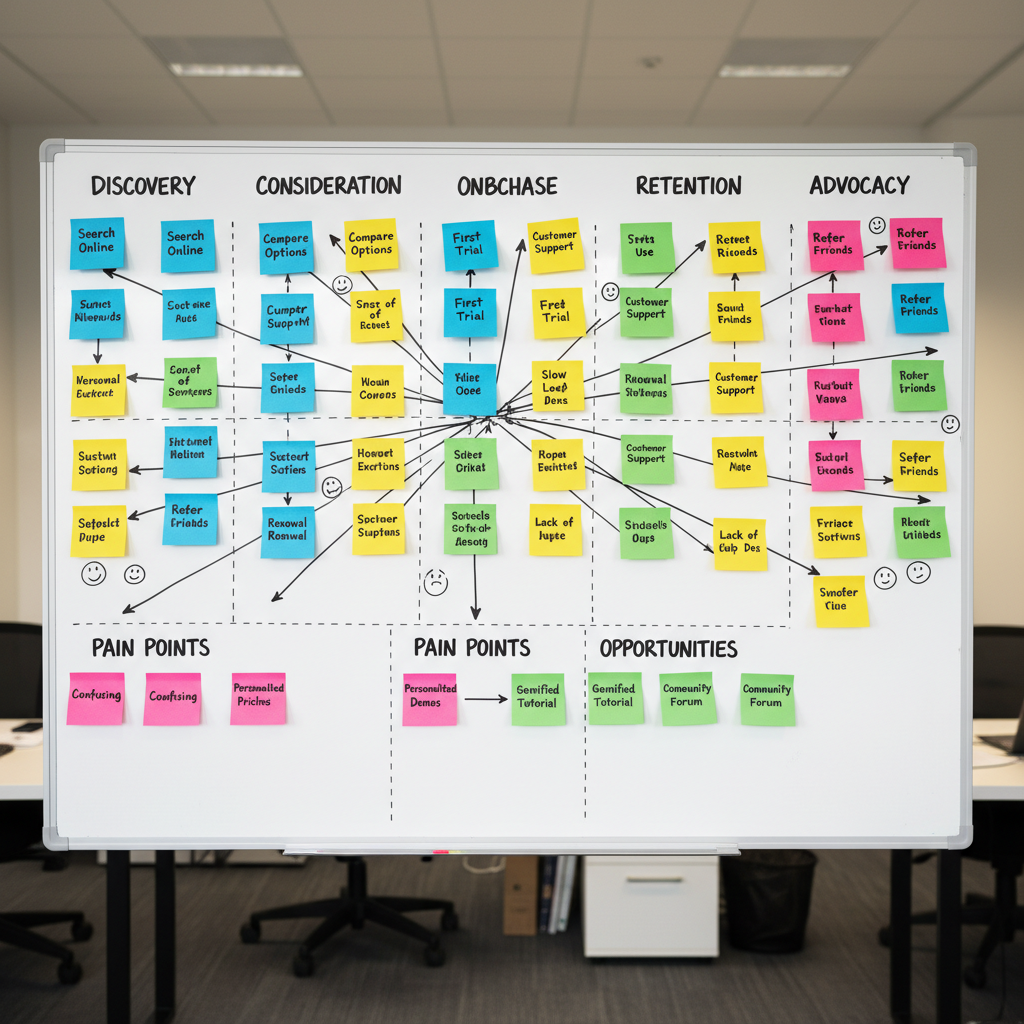
Identifying service gaps requires more than just asking questions; it requires asking them at the right stage of the customer journey mapping process. Timing dictates the quality of the insight. If you ask for a review before the service is even delivered, a mistake we frequently flag during our customer experience consulting audits, you appear out of touch. Instead, focus on these three critical windows:
Post-Purchase: Capture the immediate emotional response. For a Middletown storefront, this is best done right at the register or via a quick text shortly after they leave the shop. It measures the ease of the transaction itself while the details are fresh.
Milestone: In service-based businesses, feedback should be gathered after a major project phase is completed rather than waiting for the final invoice. This ensures the project remains aligned with client expectations before it is too late to pivot.
Friction Point: These occur when a customer encounters a hurdle, such as a billing question or a technical delay. Asking for feedback immediately after you have resolved a problem provides data on your recovery process, which is often where brand loyalty is truly forged.
Mapping these moments prevents the survey fatigue that plagues larger brands. By aligning your requests with these natural pauses, you ensure the feedback is relevant to the customer's current experience rather than a generic interruption. During our hands-on workshops, we help owners visualize these touchpoints to ensure they are capturing real talk without being intrusive. This strategic timing transforms a simple question into a powerful tool for brand refinement.
Low Tech Methods to Collect Customer Feedback for Free

Establishing a feedback loop does not require a monthly subscription to complex analytics platforms. For many solo owners or small teams in Middletown, sustainability is more important than feature sets. While some guides recommend dozens of different software tools, the truth is that managing those platforms often becomes a secondary job that distracts from the work itself. To gather customer feedback for small business growth, lean into methods that integrate into your daily workflow without added cost.
Direct conversations remain the gold standard for qualitative data. We refer to this as the Coffee Shop approach. If you run a local service or shop, ask a single, pointed question while the customer is still in front of you. Instead of a vague inquiry about their day, try asking, "What was the most confusing part of our process today?" This specific prompt gives them permission to be honest about friction points that a computer would miss.
To get customer feedback online without a CRM, leverage simple email follow ups. A manual, plain-text email sent twenty-four hours after a project milestone feels personal and prioritized. Use a basic template that asks, "What is one thing I could change to make this project easier for you?" and send it from your personal inbox. This approach addresses the search for how to ask for feedback from clients by prioritizing the relationship over the transaction.
Method | Best For | Implementation |
|---|---|---|
Direct Conversation | Retail & Hospitality | Verbal question at checkout |
Simple Email | Professional Services | Manual plain-text template |
Feedback Cards | Brick & Mortar Shops | 3x5 cards at the exit |
Text/WhatsApp | Ongoing Projects | Short, casual check-ins |
For mobile communication, WhatsApp or text messaging works well if you respect the boundary. Only use this if you already communicate with the client via text. A quick, two-sentence message asking for a "thumbs up or down" on a specific task provides immediate data. Finally, for local storefronts, physical feedback cards allow for anonymous "real talk" that people might be too polite to say to your face. These low-tech strategies ensure your customer experience consulting efforts remain grounded in reality rather than buried in a dashboard.
Smart Questions to Ask for Meaningful Feedback: With Examples
The effectiveness of your customer journey mapping depends entirely on the quality of the questions you pose. While many entrepreneurs rely on a Customer Satisfaction Score (CSAT), which asks users to rate an experience on a scale of one to five, these numbers often lack context. A high score tells you that you are doing well, but it does not explain how to replicate that success or where the hidden friction lies. To gather truly actionable customer feedback for small business growth, you must prioritize open ended questions that invite a narrative response.
Use these specific prompts to uncover service gaps that a numerical rating would miss:
What is the one thing we could do better next time?
What almost stopped you from buying today?
If you could change one step in our process, what would it be?
How would you describe our service to a neighbor here in Middletown?
What was the most frustrating part of your experience today?
What specific problem were you hoping to solve when you first reached out to us?
During our hands-on workshops, we often warn against leading questions that coach the customer toward a positive answer. Avoid asking, "How much did you enjoy our friendly staff?" because it assumes the staff was friendly and pressures the customer to agree. You should also avoid double-barreled questions like, "Was the service fast and the product high quality?" If the service was fast but the product was poor, the customer cannot answer accurately. Keep your questions singular, neutral, and brief. This clarity ensures that the data you collect during your customer experience consulting audit is honest and usable for brand refinement.
How to Organize Feedback Without a Complex CRM

Once you begin gathering customer feedback for small business operations, the volume of data can feel overwhelming. You do not need a subscription to an expensive CRM to manage these insights. A simple spreadsheet or a physical Insights Journal is often more effective for a solo owner because it forces a deliberate review of every comment. Create four columns: Date, Feedback, Category, and Action. This structure prevents valuable critiques from getting lost in your inbox.
Categorize every piece of input into two distinct buckets:
Quick Wins: These are immediate, low cost adjustments like fixing a typo on a menu, updating store hours on Google, or changing the lighting in your Middletown storefront. These require little debate and provide instant friction reduction.
Strategic Shifts: These represent deeper trends that require customer journey mapping to resolve. If multiple clients mention that your pricing is confusing or your follow up is slow, it indicates a need for a process overhaul.
These shifts are central to our hands-on workshops because they dictate your long term brand identity. By organizing data this way, you move beyond just listening and begin building a documented history of your brand's evolution. This disciplined approach ensures that your customer experience consulting efforts lead to tangible business growth rather than just a collection of unread notes.
Turning Insights Into Action: Closing the Feedback Loop
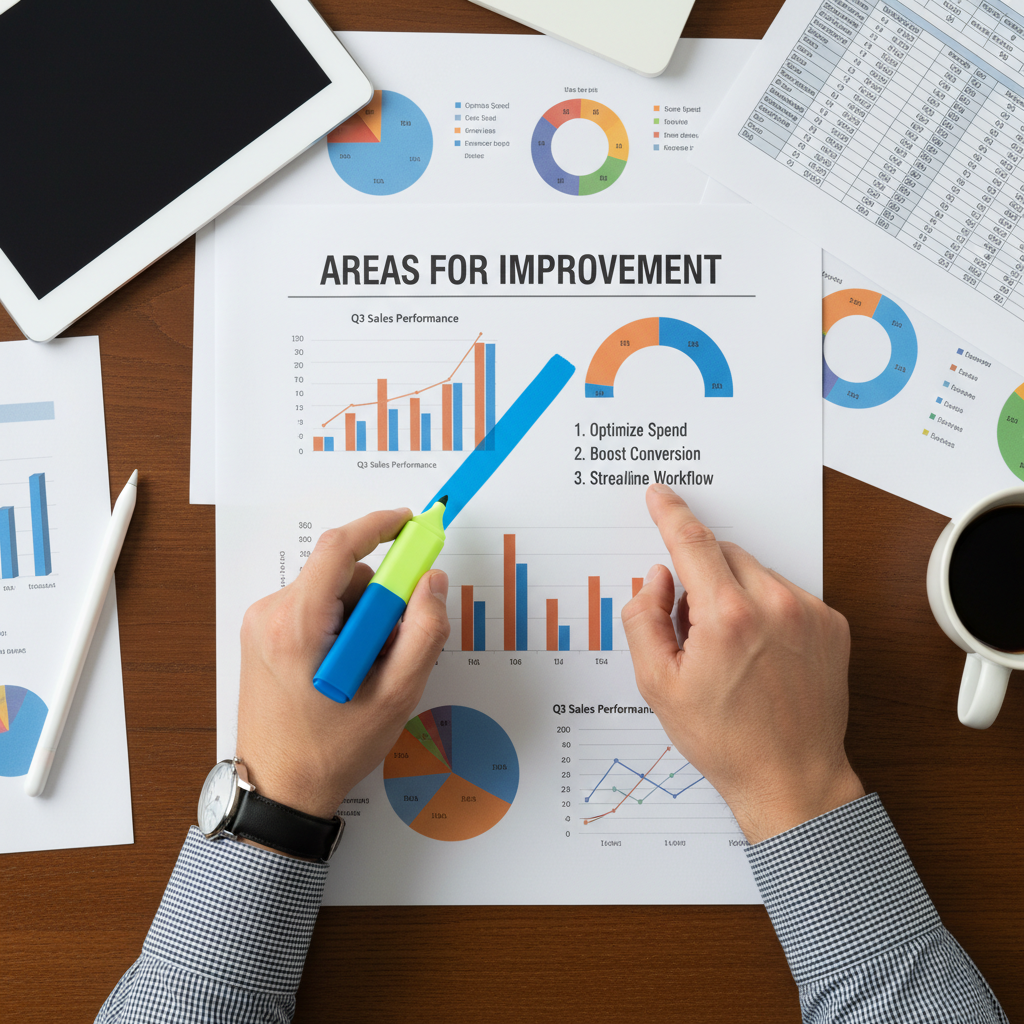
Collecting feedback without taking action is a waste of your time and your customer’s energy. The true power of gathering customer feedback for small business operations lies in closing the loop. This process involves four distinct steps: acknowledge, analyze, act, and inform. When a customer takes three minutes to tell you about a friction point in your Middletown shop, they are handing you a roadmap for improvement. If you ignore it, you signal that their opinion carries no weight.
Closing the loop requires a follow up message that connects the dots for the client. If a regular customer mentioned that your checkout process felt rushed, reach out personally. Say, “I appreciated your note about the checkout speed. We have reorganized the counter to make it smoother for everyone.” This level of transparency builds incredible loyalty in a local community. It proves you are not just a business owner but a listener who values their contribution to your brand's growth.
At GFDG, we integrate these follow up strategies into our customer experience consulting audits. We help entrepreneurs identify service gaps that are often invisible to those working inside the business every day. Through customer journey mapping, we pinpoint exactly where the loop is breaking and how to mend it. Our hands-on workshops provide the tactical scripts and communication tools needed to turn a critique into a long term relationship. By demonstrating that you have listened and changed, you transform a one time buyer into a vocal advocate for your brand.