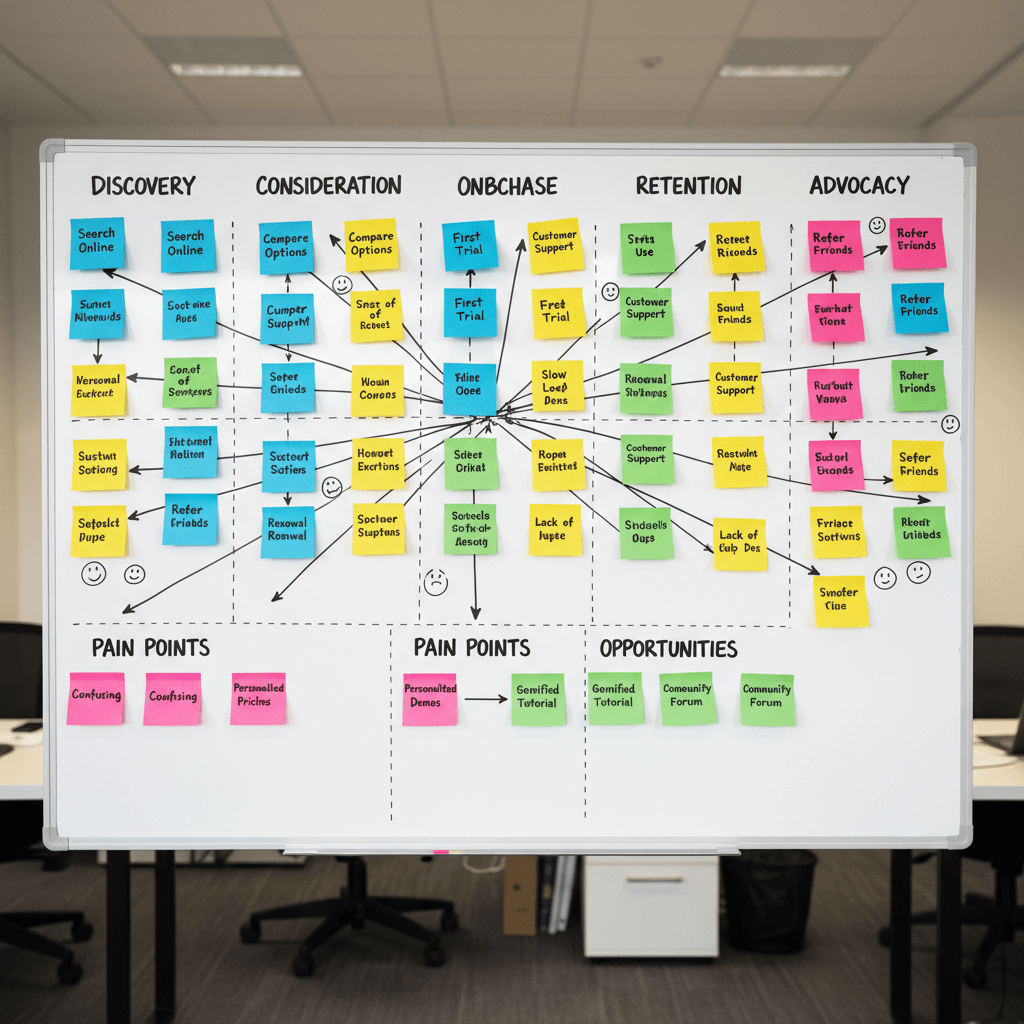

Effective customer retention strategies for small business include implementing personalized loyalty programs, delivering exceptional customer support, and utilizing CRM tools to understand client needs. By focusing on consistent engagement and rewarding repeat purchases, companies can build long-term loyalty and drive sustainable growth.
Every small business owner knows the exhaustion of the constant hunt for new leads, yet many overlook the quiet erosion of their existing client base. When you spend thousands on marketing only to watch customers drift away after a single transaction, you are effectively operating a leaky bucket business model. This churn is not just a missed opportunity; it is a direct drain on your profit margins and long term stability. At GroundFloor Development Group, we believe retention is the bedrock of sustainable growth. In this guide, we provide a strategic framework to fortify your foundation. You will learn how to map service gaps, implement the 2 2 2 rule for consistent touchpoints, and leverage localized loyalty tactics specific to the Miami Valley. By the end of this article, you will have the practical metrics and methods needed to transform one time buyers into lifelong advocates for your brand.
The Real Cost of the Leaky Bucket: Why Retention Matters for Growth

Many entrepreneurs in the Miami Valley fall into the trap of focusing exclusively on customer acquisition. They spend significant capital on digital ads, lead generation, and local sponsorships to fill the top of their sales funnel, yet they neglect the "leaky bucket" at the bottom. The economics of this approach are often unsustainable; acquiring a new customer can cost five to twenty-five times more than retaining an existing one. When you prioritize customer retention strategies for small business, you are not just saving on marketing costs; you are maximizing the return on every dollar you have already spent.
Research indicates that increasing customer retention rates by just 5 percent can boost profits by 25 percent to 95 percent. For a business here in Middletown, this level of stability provides the essential foundation needed to scale. A loyal customer base offers predictable revenue and acts as a buffer against local competition. Through comprehensive customer experience consulting, we help owners move beyond the cycle of constant acquisition by identifying service gaps that cause churn. In a community-driven market, your existing clients are your most efficient growth engine. Keeping them happy is significantly more profitable than constantly hunting for their replacements.
Map the Journey: Identifying Service Gaps Before They Cause Churn
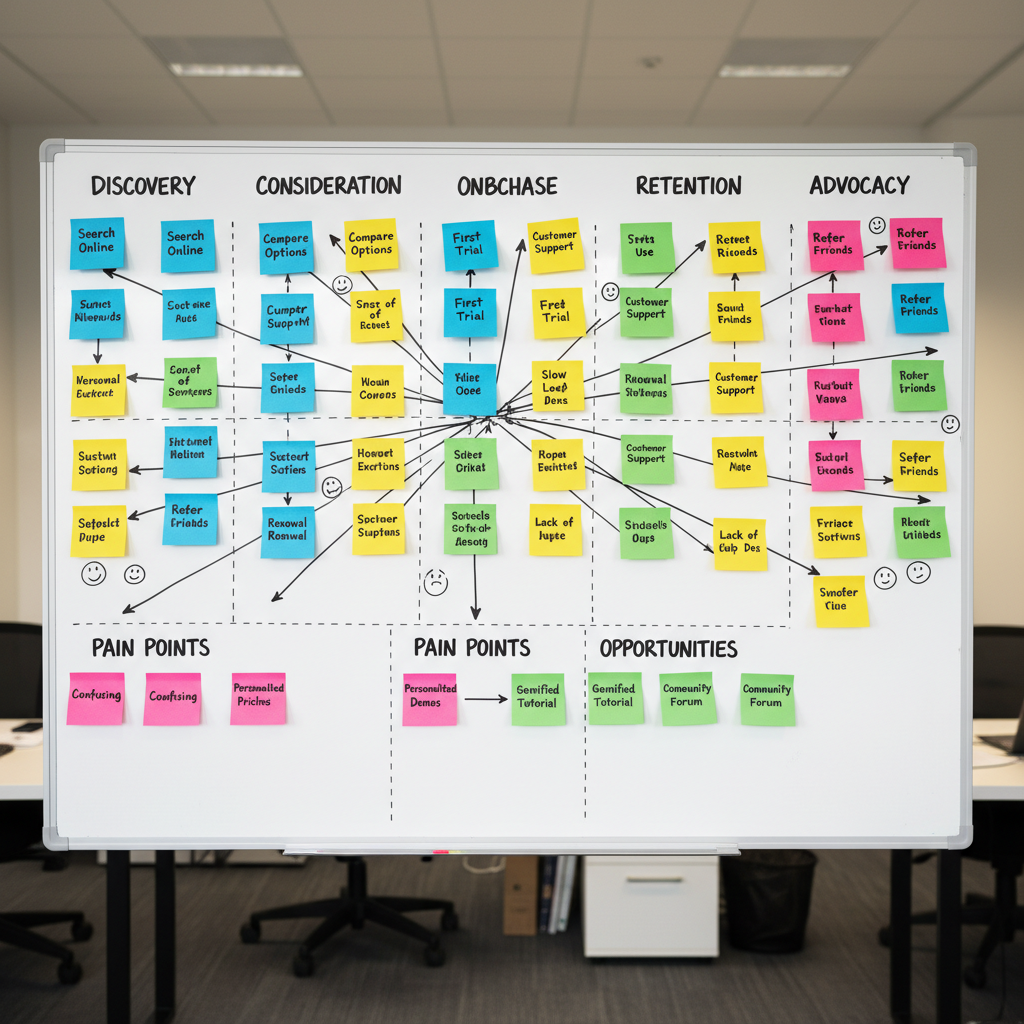
To plug the leaks in your business, you must first locate the holes. Many entrepreneurs assume they understand the client experience, yet assumptions often mask the friction points that lead to churn. Mapping the customer journey requires documenting every single touchpoint, from the initial discovery on social media to the final invoice or follow up. By identifying service gaps early in the process, you can intervene and correct the experience before a customer decides to take their business elsewhere.
Start with a basic audit of your current operations. Walk through your own sales process as if you were a stranger; notice where communication lags or where instructions become unclear. Most customer loss is not the result of a singular, catastrophic failure, but rather a series of small, unresolved frustrations. A professional gap analysis helps an owner see what they are naturally too close to the business to notice themselves. It might reveal that your Middletown storefront signage is confusing to new visitors or that your automated email tone feels cold compared to your in person warmth.
Consistency across the entire journey is significantly more important than a single, expensive wow moment. A customer who experiences reliable, predictable service every time is far more likely to stay than one who receives a grand gesture followed by two weeks of silence. Through comprehensive customer experience consulting, you can align these touchpoints to ensure the brand promise you make in your marketing is the same one you deliver in your daily operations. These subtle refinements are the most durable customer retention strategies for small business.
Low Cost Personalization: Retention Strategies for Solo Owners
Once you have successfully completed the process of identifying service gaps, you can begin implementing high-impact, low-cost tactics to bridge them. Many solo entrepreneurs mistakenly believe that effective customer retention strategies for small business require enterprise-grade CRM software like Salesforce or Netsuite. In reality, your greatest competitive advantage over national chains in Middletown is the ability to offer a level of personalization that a large corporation cannot replicate.
Instead of automated templates, use handwritten thank you notes for new clients or major milestones. This tactile gesture stands out in a digital world and signals that you value the individual relationship. Furthermore, leverage specific purchase data to send tailored follow-up emails. For example, if a client bought a specific service package three months ago, check in to see how those results are holding up rather than sending a generic newsletter. This demonstrates that you are paying attention to their specific needs.
Maintaining a simple spreadsheet to track customer preferences, such as a favorite product or even a client’s birthday, allows you to lead with recognition. When you remember a name or a past conversation, you move the interaction from a transaction to a relationship. If you need help refining these systems without breaking the bank, you can contact GroundFloor Development Group to discuss how comprehensive customer experience consulting can streamline your retention efforts.
Mastering the 2 2 2 Rule and the 3 Rs of Retention
Moving from personalized gestures to a repeatable framework requires structure. The 2-2-2 rule provides a simple cadence for post-purchase communication that ensures no client feels forgotten after the invoice is paid. This strategy involves reaching out two days after a purchase to confirm satisfaction, two weeks later to check on the progress or results, and two months later to see if new needs have surfaced. For a local Middletown HVAC company, this might look like a text two days after a repair to ensure the system is cooling, a call two weeks later to confirm the noise hasn't returned, and a two-month email offering a seasonal tune-up. This consistent rhythm prevents the silence that often leads to churn.
To make these touchpoints effective, you must ground them in the three Rs of retention: Reliability, Responsiveness, and Relationships. Through comprehensive customer experience consulting, we often find that mastering these three pillars is more effective than any loyalty discount program.
Pillar | Definition | Local Business Example |
|---|---|---|
Reliability | Doing exactly what you said you would do, when you said you would do it. | A local bakery having a custom cake ready at exactly 9:00 AM as promised. |
Responsiveness | Being available and quick to act when a customer has a question or issue. | A consultant returning a client’s urgent strategy question within four hours. |
Relationships | Moving beyond the transaction to understand the person behind the purchase. | A boutique owner remembering a client’s preferred style and size during their next visit. |
By identifying service gaps within these pillars, you can fix the small friction points that undermine trust. These structured customer retention strategies for small business transform your operations from a series of random acts of service into a predictable, high-value experience. If you are unsure which of these pillars needs the most attention in your current workflow, you can contact GroundFloor Development Group for a professional assessment of your current client journey.
Build a Sustainable Customer Feedback Loop
Structuring a 2-2-2 follow-up cadence provides the opportunity to listen, but the real value lies in the intelligence you gather during those moments. To create a sustainable feedback loop, you must move beyond simply asking questions and start demonstrating that the answers actually matter.
For many Middletown entrepreneurs, a formal Net Promoter Score (NPS) survey sent via email is a reliable way to quantify sentiment over time. It asks one simple question: how likely are you to recommend us? However, in a high-touch service environment, a casual "How did we do today?" conversation often yields more nuanced insights. These informal check-ins allow you to catch subtle frustrations before they escalate into lost accounts.
The most critical step in this process is closing the loop publicly. When you notice a trend in feedback, tell your customers about the changes you made in response. Post on social media or include a note in your next newsletter saying, "You told us our booking process was confusing, so we upgraded our software to make it easier." This transparency proves you are listening and transforms a standard transaction into a genuine partnership. By identifying service gaps through direct feedback and acting on them, you build the kind of trust that defines successful customer retention strategies for small business. If you need help designing a feedback system that does not feel like a nuisance to your clients, you can contact GroundFloor Development Group to explore how comprehensive customer experience consulting can be tailored to your specific workflow.
Localized Loyalty: Building Community in the Miami Valley

Closing the feedback loop establishes trust, but in the Miami Valley, trust is often built through physical presence and shared local values. For entrepreneurs in Middletown, being perceived as a pillar of the community is one of the most durable customer retention strategies for small business. Unlike digital only competitors, you have the opportunity to embed your brand into the daily lives of your neighbors.
Consider implementing cross promotions with other Middletown businesses to expand your reach while supporting the local ecosystem. A local boutique and a nearby florist might offer a combined loyalty reward, reinforcing the idea that supporting one local business benefits the whole downtown area. Additionally, hosting small, invite only appreciation events for your top clients can transform a standard business relationship into a lasting community bond. These gatherings do not need to be expensive; a simple morning coffee hour or an after hours shop talk creates a space for connection that an algorithm cannot simulate.
Being visible at local festivals or sponsoring a youth sports team in the Miami Valley reinforces your brand’s commitment to the area. If you are struggling with identifying service gaps in your local outreach or need help designing these community focused touchpoints, you can contact GroundFloor Development Group. Through comprehensive customer experience consulting, we help you bridge the gap between business operations and community leadership.
Metrics That Matter: How to Track Your Retention Success
Embedding your brand in Middletown is vital, but you must measure the financial impact of your efforts to ensure they are sustainable. Many owners get distracted by vanity metrics like social media likes or website traffic, which often fail to correlate with actual revenue. To evaluate your customer retention strategies for small business effectively, focus on three core numbers that directly impact your bank account.
First, calculate your Repeat Purchase Rate by dividing the number of customers who have bought from you more than once by your total number of unique customers. This tells you if your product or service is consistently meeting expectations. Second, track your Churn Rate by dividing the customers lost during a specific period by the total number of customers you had at the start of that period. If this number climbs, it is a clear signal you need to begin identifying service gaps immediately. Finally, estimate your Customer Lifetime Value (CLV) by multiplying your average order value by how often a customer buys each year, then multiplying that by the number of years they typically stay with you.
Metric | Basic Formula | Why It Matters |
|---|---|---|
Repeat Purchase Rate | (Returning Customers / Total Customers) x 100 | Measures satisfaction and loyalty. |
Churn Rate | (Lost Customers / Starting Customers) x 100 | Indicates service failures or friction. |
Customer Lifetime Value | Avg. Order x Frequency x Lifespan | Shows the total revenue potential per client. |
The goal is not to achieve mathematical perfection or manage complex software. Instead, aim to see a positive trend line over several months. If you find these numbers are stagnant or declining, contact GroundFloor Development Group to explore how comprehensive customer experience consulting can help you turn these data points into a more profitable, stable business model.
Building lasting relationships with your customers is the most effective way to ensure sustainable growth for your small business. By prioritizing consistent value and open communication, you create a loyal community that supports your brand over time. If you want expert help implementing these strategies or need a more tailored approach to client engagement, you can learn more about our philosophy on our About page. We are dedicated to helping your business thrive through thoughtful development and strategic planning.